
Artificial intelligence can now generate product photography indistinguishable from professional shoots, write marketing copy that passes for human creation, and produce video content that looks legitimate but never happened. As AI-generated content floods digital channels, consumers are developing sophisticated skepticism about everything they encounter online. This creates an unexpected opportunity for brands willing to show up in physical space: real-world experiences are becoming the new proof of authenticity.
The paradox is striking. Technology that was supposed to make physical presence obsolete is instead making it more valuable. As digital content becomes easier to fake, harder to verify, and increasingly detached from reality, the brands that invest in tangible, in-person experiences gain credibility advantages that digital-only competitors cannot replicate. Physical presence sends a signal that AI-generated campaigns never can: we’re real, we’re here, and we’re willing to prove it.
This shift has profound implications for experiential marketing strategy. What was once considered a nice addition to digital campaigns is becoming the foundation of brand trust. When consumers can’t believe what they see online, they believe what they experience in person. That belief drives purchase decisions, builds loyalty, and creates advocacy in ways that sophisticated digital campaigns increasingly struggle to achieve.
The Digital Trust Crisis
Consumer trust in digital content is eroding rapidly. Deepfake videos, AI-generated reviews, fake social media accounts, and manipulated images have trained audiences to approach online content with skepticism. When everything might be fake, nothing feels entirely trustworthy. This skepticism affects all digital marketing, even legitimate brand content created by real humans.
The problem compounds as AI technology improves. Early deepfakes were obvious and easy to spot. Modern AI-generated content is sophisticated enough that even experts struggle to identify it consistently. Consumers know this. They understand that the glowing product review might be AI-generated, the testimonial video might be fake, and the social media influencer might not actually exist. This knowledge poisons the well for all digital brand content.
Traditional verification methods are failing. Blue checkmarks get hacked or bought. Website certificates mean nothing about content authenticity. Even seeing something with your own eyes on a screen no longer guarantees it’s real. The verification crisis creates opportunity for brands willing to provide proof through physical presence.
Physical Presence as Proof of Legitimacy
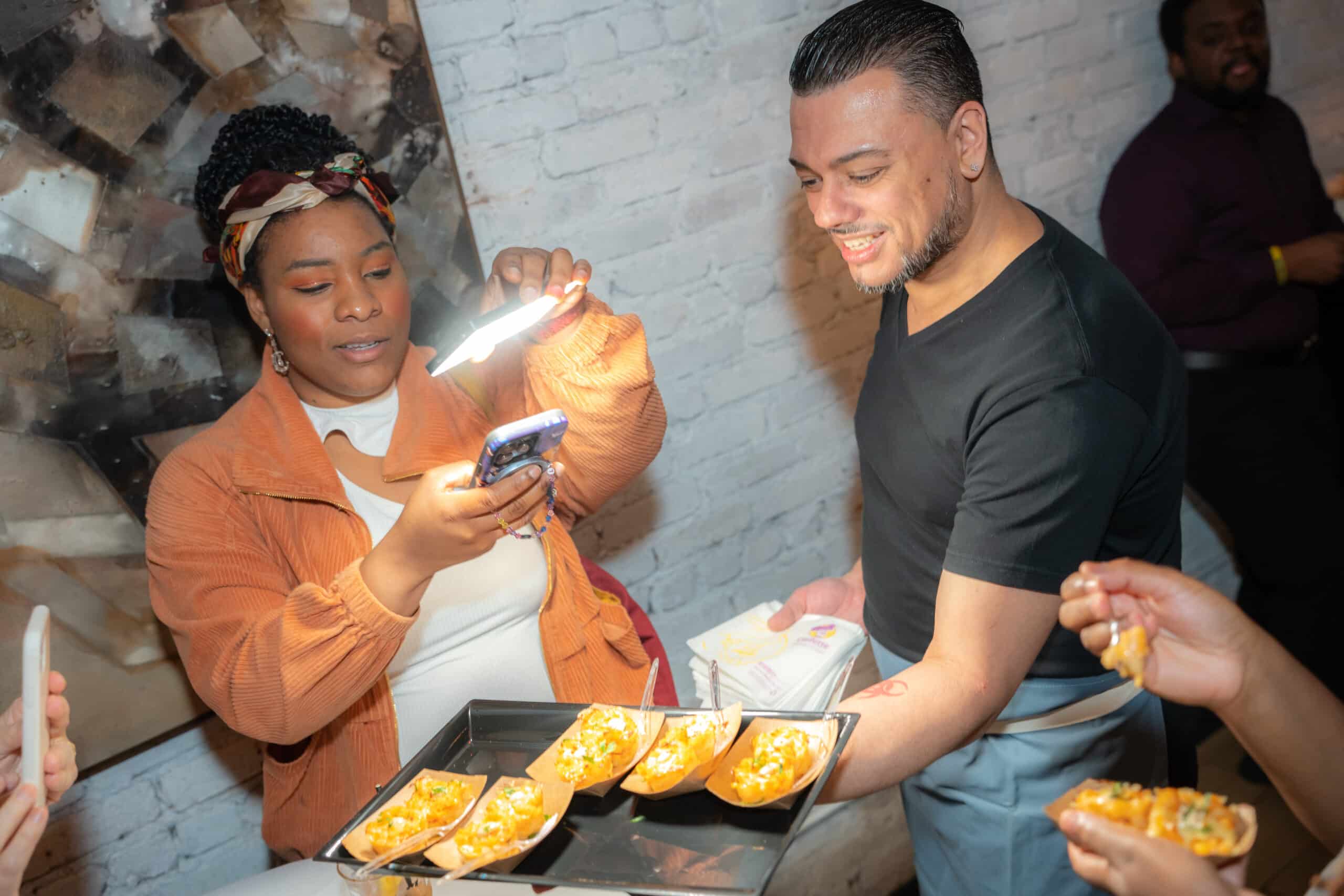
When consumers encounter a brand activation in their neighborhood, at their local park, or outside their office building, they receive verification that digital channels cannot provide. The branded food truck actually exists. The product samples are real. The brand ambassadors are human beings having genuine conversations. This tangible reality creates trust that transcends what any digital campaign can achieve.
The investment signal matters enormously. Deploying experiential marketing vehicles, hiring staff, securing permits, and executing multi-city tours requires substantial commitment. Consumers recognize this investment as proof that brands are serious, established, and here to stay. Fly-by-night operations and sketchy brands don’t roll up in professional mobile marketing tours with trained teams and quality experiences.
Physical activations also provide immediate product verification. Consumers can touch, taste, smell, and examine products directly rather than relying on potentially manipulated digital representations. A food brand serving samples proves the product actually tastes as described. A beauty brand offering product trials demonstrates real performance rather than filtered photos. This direct verification builds confidence that digital marketing cannot match.
The human element creates another trust layer. Conversations with knowledgeable brand ambassadors, questions answered in real-time, and genuine interactions with people representing the brand all provide social proof and authenticity signals. These human connections feel real because they are real, in stark contrast to chatbots, automated responses, or AI-generated customer service.

Social Proof You Can Actually Trust
User-generated content from physical brand activations carries authenticity that professional brand content lacks. When someone’s friend posts about experiencing your mobile marketing tour, that content feels trustworthy precisely because it’s not polished, not professional, and clearly created by a real person who was actually there. The imperfections become proof of authenticity.
This social proof multiplication matters more in the AI age. As consumers grow skeptical of brand-created content, peer recommendations and authentic user experiences gain influence. A hundred Instagram posts from real attendees at your activation outweigh professionally produced content that might be AI-generated or heavily manipulated. The rough edges, varied perspectives, and personal contexts in user-generated content signal authenticity in ways that perfect brand content cannot.
The witnessing effect amplifies trust. When multiple people independently share experiences with your brand activation, it creates verification through corroboration. One post might be questioned. Dozens from different people, different angles, different moments all telling consistent stories create believable proof that something real happened.
Why Digital-Only Brands Are Vulnerable
Brands that exist purely in digital spaces face growing credibility challenges. Without physical presence, these brands struggle to prove they’re legitimate versus elaborate scams or AI-generated facades. The collapse of various crypto projects, NFT schemes, and online-only ventures has trained consumers to question digital-first brands more aggressively.
Physical brand activations provide the credibility moat that digital-only brands lack. When you can show up in person, serve real products, employ actual human staff, and create tangible experiences, you differentiate from the countless digital-only operations that might not even be real companies. This differentiation becomes more valuable as digital skepticism grows.
The permanence factor also matters. Digital presence can disappear instantly. Websites go dark, social media accounts vanish, and digital brands evaporate leaving no trace. Physical activations create memories anchored to real places and times. Consumers remember encountering your branded food truck at their local park on a sunny Saturday. That memory persists even if your entire digital presence disappeared. This permanence builds brand equity that purely digital interactions cannot match.
How Sweeter Helps Brands Prove They’re Real
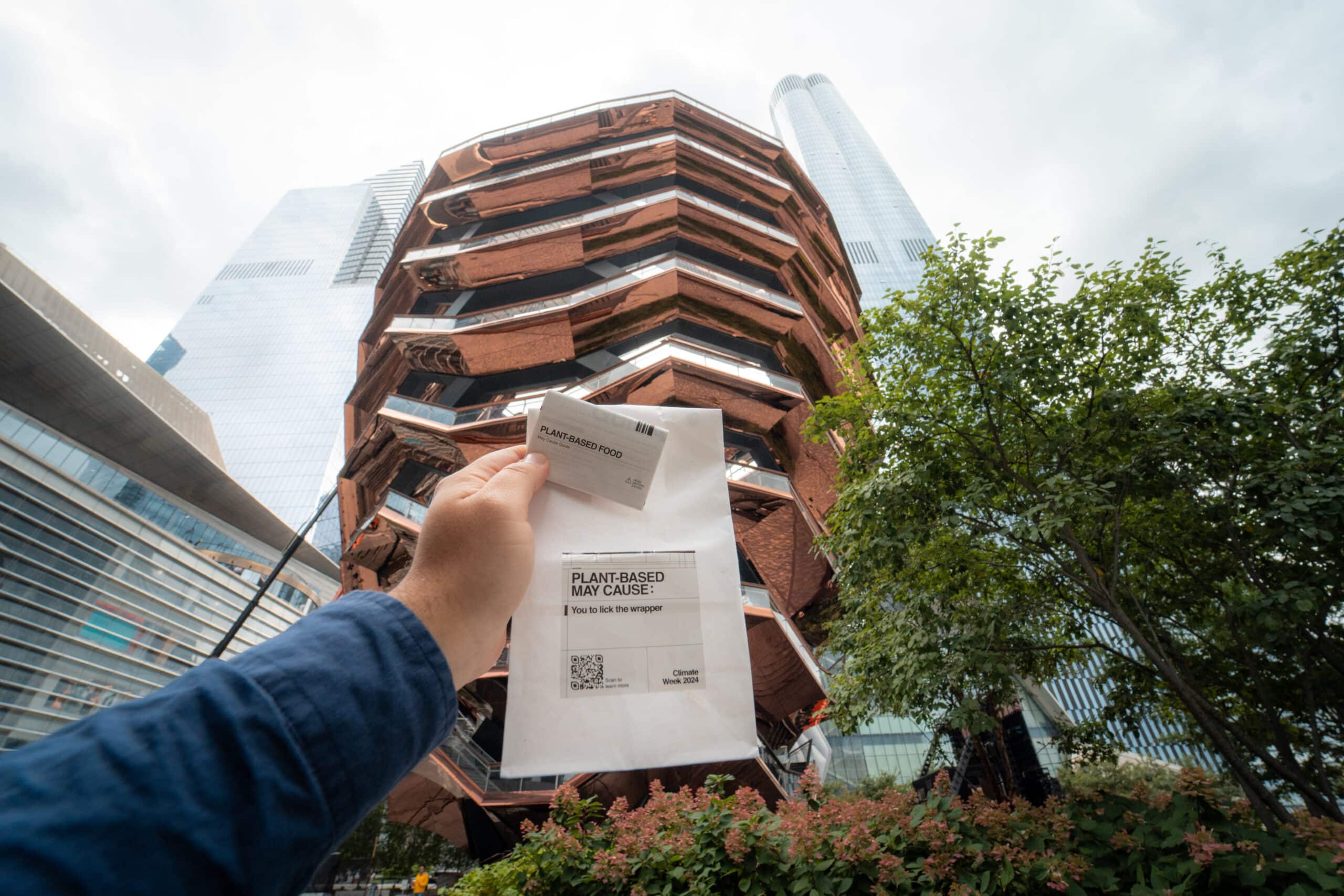
Over time, we’ve watched the authenticity crisis unfold and seen brands increasingly recognize physical presence as a competitive advantage. Our experiential marketing vehicles, trained brand ambassador teams, and multi-city tour capabilities help brands prove they’re legitimate, established, and invested in genuine consumer relationships.
When we deploy mobile marketing tours, we’re not just distributing samples or building awareness. We’re providing tangible proof that brands are real, credible, and worth trusting. The professional execution, quality interactions, and memorable experiences all signal authenticity that digital campaigns struggle to communicate.
We’ve also noticed how user-generated content from our activations carries more weight now than it did even a few years ago. The authentic posts from real people experiencing brand activations cut through digital noise precisely because they’re obviously genuine. They weren’t created by AI, they weren’t staged by agencies, and they reflect real moments that actually happened. This authenticity makes the content valuable in ways that polished brand materials cannot replicate.
The Strategic Imperative
As AI continues advancing and digital content becomes harder to trust, physical brand experiences will become strategic necessities rather than tactical additions. Brands that build strong experiential marketing capabilities now will have authenticity advantages that digital-only competitors cannot overcome. The investment in real-world presence, whether through experiential marketing vehicles, pop-up activations, or mobile tours, creates verification and trust that drive business outcomes.
The authenticity paradox will only intensify. The better AI gets at creating convincing digital content, the more valuable real-world experiences become. Brands that recognize this dynamic early and build experiential capabilities will thrive. Those that remain purely digital will struggle with growing credibility challenges that no amount of sophisticated content can overcome.
The future belongs to brands willing to prove they’re real by showing up physically. Digital marketing remains important for reach and efficiency, but physical presence increasingly determines which brands consumers actually trust, remember, and choose. In an age where everything online might be fake, being provably real becomes the ultimate competitive advantage.
At Sweeter, we help brands navigate this shift by creating physical experiences that prove authenticity, build trust, and create connections that AI-generated content simply cannot replicate. When your brand needs to demonstrate that you’re real, established, and worth believing in, nothing beats showing up in person with quality experiences that consumers can see, touch, taste, and remember. Ready to prove your brand is real? Let’s discuss how experiential marketing can build the authenticity and trust that drive lasting business growth in an increasingly digital-skeptical world.