
Product launches face a brutal reality: consumers see hundreds of “revolutionary” new products every week. Press releases disappear into crowded inboxes. Social media announcements scroll past in seconds. Digital ads get blocked or ignored. Meanwhile, the products that actually break through and build momentum share a common strategy: they create memorable first impressions through experiential marketing that makes launches feel like events worth experiencing rather than announcements worth ignoring.
The difference between products that gain traction and those that languish in obscurity often has little to do with actual product quality. Superior products fail regularly while adequate products with exceptional launch experiences succeed. This isn’t fair, but it’s reality. First impressions matter enormously, and experiential marketing creates first impressions that press releases and digital campaigns simply cannot match.
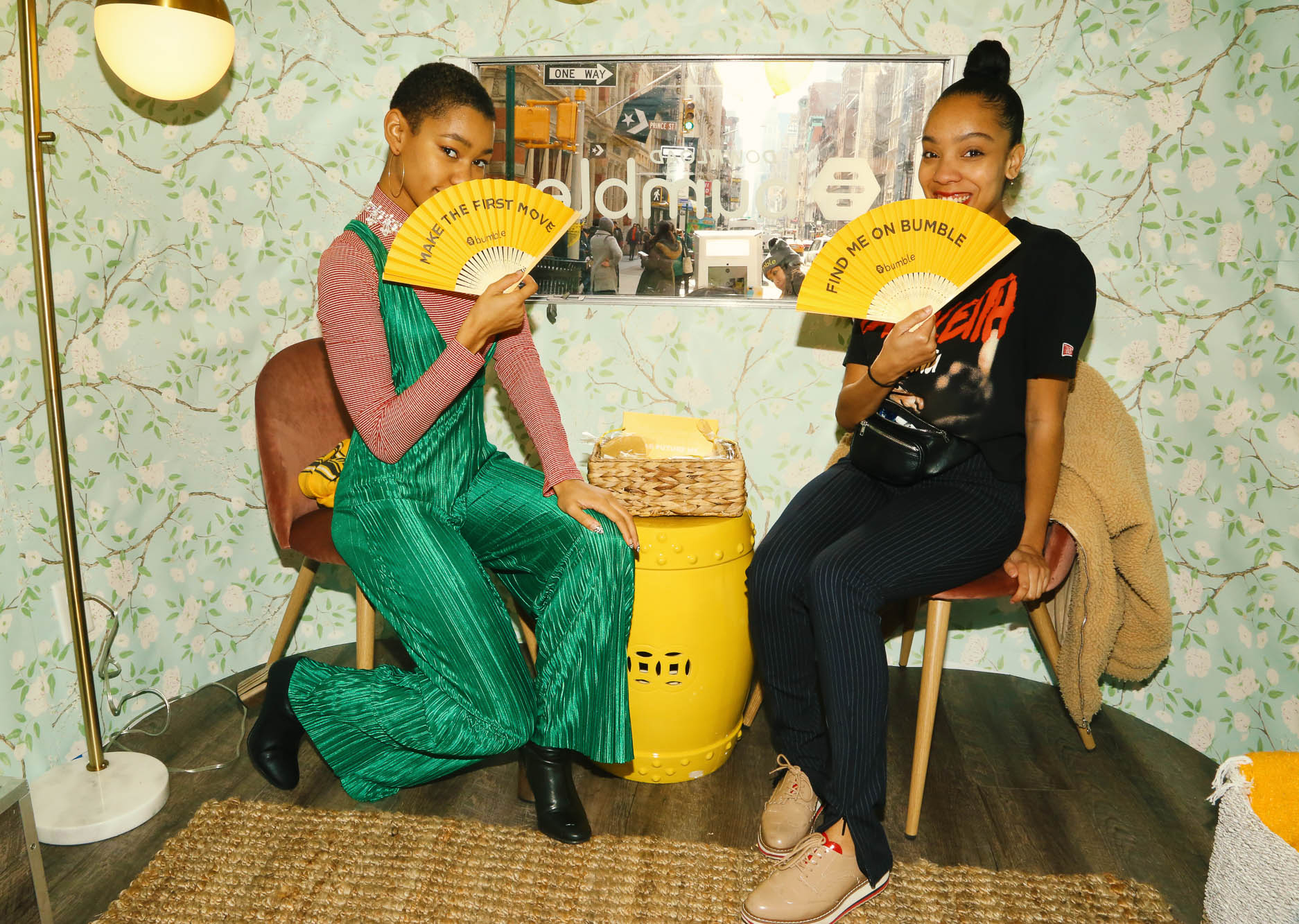
Understanding why experiential launches outperform traditional announcement strategies requires examining how consumers actually discover, evaluate, and adopt new products. The process is emotional and social, not rational and individual. People don’t carefully review product specifications and make calculated decisions. They encounter products through trusted sources, try them in low-risk situations, and adopt based on whether the experience feels right. Experiential marketing aligns with this reality while traditional launch tactics fight against it.
Why Press Releases Don’t Create Momentum
Press releases serve important functions for investor relations, media outreach, and official documentation. What they don’t do is create consumer excitement, drive trial, or build word-of-mouth momentum. The fundamental problem is that press releases are designed for journalists, not consumers, and even journalists increasingly ignore them.
The volume problem makes press releases ineffective for launch impact. Journalists receive hundreds of product announcements daily. Unless your product solves a major problem, comes from an already-famous brand, or has celebrity involvement, it drowns in noise. The few publications that might cover it bury the mention in roundups that generate minimal reader attention.
Even when press coverage happens, the impact on consumer behavior is minimal. Reading about a product in a brief news mention doesn’t create the emotional connection or experiential understanding that drives purchase intent. Consumers might note that something new exists, but they don’t develop conviction that they need to try it. The information passes through awareness without creating desire or action.
Digital advertising faces similar challenges. Ad blockers, banner blindness, and general digital fatigue mean most product launch ads never register with target consumers. The ones that do get noticed compete with thousands of other messages consumers encounter daily. Converting awareness to trial requires multiple touchpoints over time, making digital advertising an expensive, slow path to building launch momentum.
How Experiential Creates Memorable First Encounters
Brand activations using experiential marketing vehicles create dramatically different first impressions than press releases or digital ads. Consumers encounter products in contexts where they’re receptive, engaged, and able to experience rather than just read about new offerings. This experiential introduction builds understanding, excitement, and trial intent that announcements cannot generate.
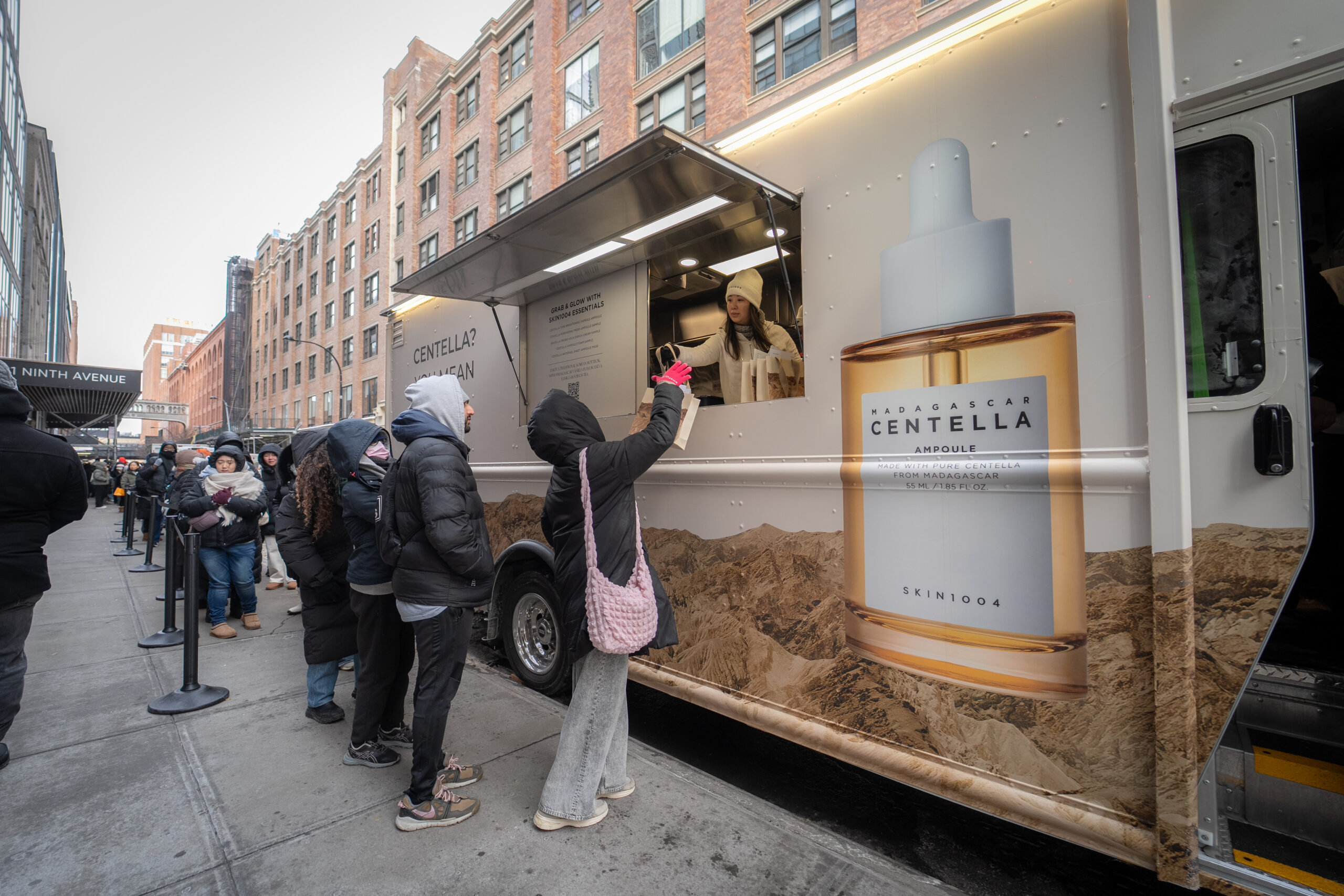
The multi-sensory engagement matters enormously. Consumers see professional branded food trucks or mobile marketing tours, signaling investment and legitimacy. They taste, touch, or try products directly, understanding benefits through experience rather than description. They interact with knowledgeable brand ambassadors who answer questions and customize information to individual interests. This rich, multi-dimensional first encounter creates memory formation that brief digital exposures don’t achieve.
The social context amplifies impact. Experiencing product launches alongside friends, family, or even strangers creates shared moments that generate conversation and social sharing. People tell friends about cool new products they discovered at activations. They post photos and videos that reach networks with implicit endorsement. This organic amplification extends launch reach far beyond the people who physically attended, all with the credibility that paid advertising lacks.
Sampling or trial removes adoption barriers that traditional launches never address. Consumers hesitate to buy unfamiliar products because purchase risk feels high even for inexpensive items. Experiencing products through brand activation sampling eliminates this barrier. Consumers know exactly what they’re getting because they’ve already tried it. This trial-before-purchase dramatically increases conversion rates compared to asking consumers to buy based on advertising claims alone.

The Timing Advantage of Launch Activations
Product launches have natural momentum windows. Early excitement and media attention create opportunities that close quickly as attention moves to newer launches. Experiential marketing capitalizes on this timing by creating immediate consumer experiences during peak launch visibility rather than slowly building awareness over months.
The speed to market with mobile marketing tours allows brands to activate in multiple cities during launch windows, creating geographic momentum that press releases cannot match. While competitors are scheduling meetings and planning digital campaigns, experienced experiential marketing companies deploy branded vehicles and trained teams within days, capturing consumer attention while launch energy peaks.
This rapid deployment also enables real-time feedback and optimization. Brands learn what messaging resonates, what questions consumers ask, and what concerns need addressing. This intelligence informs broader marketing strategy immediately rather than discovering problems months into failed campaigns. The ability to test, learn, and adjust during launch phases prevents expensive mistakes and accelerates path to product-market fit.
Building Advocacy From Day One
Traditional launch strategies aim for awareness first, hoping to convert it to trial and eventual advocacy over time. Experiential launch strategies create advocates immediately by giving early adopters amazing first experiences they want to share. These early advocates become the foundation for word-of-mouth growth that sustains products beyond initial launch pushes.
The memorable experience creates stories worth telling. Consumers who discovered products through engaging brand activations have interesting narratives to share beyond “I saw an ad.” They describe the cool truck they encountered, the enthusiastic brand ambassador who explained benefits, the samples they tried with friends, and the exclusive first access they received. These stories make them heroes of discovery rather than passive consumers, motivating sharing and recommendation.
User-generated content from launch activations provides authentic marketing assets that serve campaigns for months. Photos and videos of real people experiencing product launches carry credibility that brand-created content lacks. This content populates social channels, websites, and future marketing materials with proof that real consumers actually enjoyed the product, not just that the brand claims they will.
Cost Efficiency Through Quality Engagement
Experiential product launches appear expensive compared to press releases and basic digital advertising. The comparison misleads because it ignores engagement quality and conversion efficiency. Experiential might cost more per person reached but delivers dramatically higher conversion rates and customer lifetime value, making the actual cost per customer acquisition often lower than digital-only approaches.
The qualified engagement matters more than raw impressions. A press release might generate 100,000 impressions through media coverage, but how many of those people are target consumers in market for the product category? How many remember the product name an hour later? Experiential activations reach smaller numbers but ensure every interaction is with someone who chose to engage, spent meaningful time with the product, and left with direct experience rather than vague awareness.
The data efficiency also favors experiential launches. Brand activation teams collect direct consumer feedback, questions, and preferences that inform product development and marketing strategy. Digital campaigns generate clickthrough data but little understanding of why people did or didn’t engage. This qualitative intelligence from experiential launches helps brands optimize products and messaging faster than competitors relying solely on digital analytics.
When Traditional Launch Tactics Make Sense
Experiential marketing doesn’t replace all traditional launch tactics. Press releases still serve important functions for B2B audiences, investors, and official announcements. Digital advertising builds sustained awareness after experiential activations create initial momentum. The optimal strategy combines approaches strategically rather than relying exclusively on any single tactic.
Products with very narrow audiences or pure B2B offerings might not justify consumer-facing experiential launches. Complex enterprise software probably doesn’t need food truck marketing. But consumer products, CPG brands, retail offerings, and anything requiring consumer trial all benefit enormously from experiential launch strategies that create memorable first impressions.
Budget constraints sometimes force choices between approaches. When resources are limited, brands must choose between wide but shallow digital reach and narrow but deep experiential engagement. For most product launches, deep engagement with smaller audiences who become advocates generates better long-term outcomes than shallow exposure to massive audiences who barely notice.
Launch Success Stories
At Sweeter, we’ve seen firsthand how experiential launches outperform traditional announcements. When brands deploy our mobile marketing tours for product launches, they create buzz, trial, and advocacy that press releases never achieve. The combination of professional experiential marketing vehicles, trained brand ambassadors, strategic location selection, and flawless execution creates first impressions that stick.
We’ve watched unknown products become local phenomena through multi-city launch tours that let consumers discover them firsthand. We’ve seen established brands successfully launch line extensions by creating experiences that helped consumers understand new benefits rather than just hearing about them. The pattern is consistent: products launched experientially build momentum faster and sustain it longer than those relying on traditional announcement tactics.
The social amplification from these launches extends impact well beyond direct participants. When hundreds or thousands of consumers in each market experience product launches and share their excitement online, the organic reach multiplies initial investment many times over. This earned media complements paid campaigns while carrying authenticity and credibility that brand-created content cannot match.
Making Launch Moments Memorable
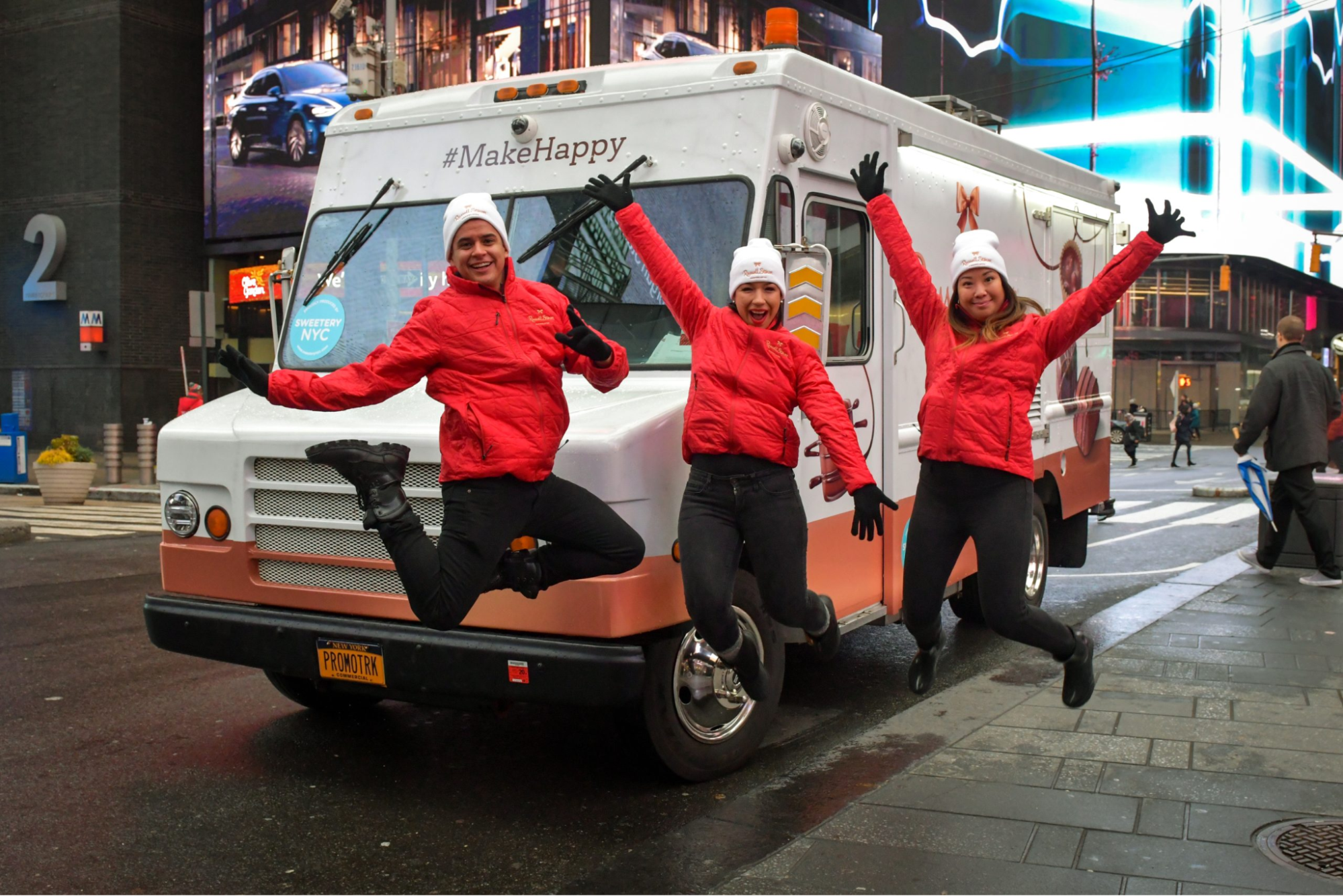
The first impression problem won’t disappear as markets become more crowded and consumer attention more scarce. Press releases and digital announcements will continue fading into noise while experiential launches create the memorable moments that actually move markets. Brands that recognize this reality and build launch strategies around creating experiences rather than making announcements will consistently outperform competitors still relying on outdated playbooks.
At Sweeter, we specialize in transforming product launches from forgettable announcements into memorable experiences that create momentum, drive trial, and build advocacy from day one. Our experiential marketing vehicles, multi-city tour capabilities, and launch execution expertise help brands make first impressions that actually matter. When your product deserves more than a press release that disappears into crowded inboxes, we create launch experiences that consumers remember, share, and convert into purchase decisions. Ready to launch your next product with impact that lasts? Let’s discuss how experiential marketing can create the memorable first impression that turns your launch into a market success story.