
Every brand activation generates some level of social sharing. Attendees take photos, post stories, and tag brands in their content. But there’s a massive difference between obligatory documentation and genuine enthusiasm that drives meaningful user-generated content. In 2026, the most successful experiential marketing campaigns don’t just hope for social sharing. They architect every element to make content creation irresistible, authentic, and strategically valuable.
User-generated content from brand activations delivers value that paid advertising cannot match. When real consumers share genuine experiences with branded food trucks, experiential marketing vehicles, or mobile marketing tours, their content reaches friends and followers with implicit endorsement. These aren’t ads to skip or ignore. They’re personal recommendations from trusted sources, wrapped in authentic stories about real experiences.
The shift from treating UGC as a nice bonus to designing activations with content generation as a primary objective requires fundamental changes in how experiential marketing companies approach activation design. It’s not about adding an Instagram wall and hoping people use it. It’s about understanding what makes content worth creating and sharing, then embedding those elements throughout the entire experience.
Why User-Generated Content Matters More Than Brand Content
Brand-created content, no matter how polished and professional, faces inherent credibility challenges. Consumers know it’s advertising. They view it through skeptical lenses, discounting claims and questioning authenticity. User-generated content bypasses these defenses entirely.
When someone’s friend posts about an amazing food truck marketing activation they experienced, it registers as authentic peer recommendation rather than marketing message. The content includes genuine emotional reactions, unscripted language, and personal context that branded content cannot replicate. It reaches audiences through existing social relationships rather than paid targeting. It appears in feeds alongside personal updates from friends and family, not clearly marked as sponsored content.
The reach multiplier effect compounds the value. One attendee creating content might reach 500 followers. If 100 attendees create content, that’s a potential reach of 50,000, all delivered through trusted social connections rather than paid advertising. If even 10% of that audience engages with the content by liking, commenting, or sharing further, the reach expands exponentially. A single activation serving 2,000 people might generate social reach exceeding 200,000 through user-generated content alone.
The content also has an extended lifespan. Brand advertising campaigns have defined start and end dates. User-generated content lives permanently in participants’ social feeds, discoverable through profile browsing and searches long after the physical activation ends. Someone researching your brand months later might encounter UGC from your activation, influencing their perception and purchase decisions in ways that time-limited advertising cannot.
Understanding What Makes Content Worth Sharing
Not all experiences generate equal content value. Understanding the psychology behind sharing helps design activations that people genuinely want to document and share.
People share content that makes them look good. This might mean demonstrating they’re early adopters who discovered something cool before their friends, showing they have access to exclusive experiences others don’t, proving they’re adventurous and willing to try new things, or positioning themselves as knowledgeable by sharing interesting information. Brand activations that help people enhance their personal brand generate more sharing than generic experiences that don’t add to their social identity.
Novelty drives documentation. People photograph and share things they haven’t seen before. The first time someone encounters an experience, they’re far more likely to capture it than during repeat exposures. This means experiential marketing vehicles and activations need distinctive visual elements, unexpected interactions, or surprising moments that feel worth documenting.
Emotional intensity matters more than simple enjoyment. People share extreme reactions, whether delight, surprise, humor, or even mild fear. Moderate positive experiences, while pleasant, don’t generate the emotional energy that compels sharing. Brand activations should aim for memorable peaks rather than consistent pleasantness.
Social currency explains much sharing behavior. People share things that make them seem interesting, informed, or connected. Activations that offer insider access, limited availability, or cultural relevance provide social currency that participants want to spend with their networks.
Designing Physical Spaces for Content Creation
The most shareable activations consider visual impact and content potential from the earliest design phases. This goes far beyond installing an Instagram wall, though well-designed photo opportunities certainly have value.
Lighting makes or breaks photo quality. Natural light photographs beautifully but isn’t always available or controllable. Thoughtful artificial lighting that flatters subjects, eliminates harsh shadows, and creates depth makes everyone look good in photos. When people like how they look in photos taken at your activation, they’re dramatically more likely to share that content. Conversely, harsh overhead lighting that creates unflattering shadows or dim conditions requiring flash ensure photos get deleted rather than posted.
Background design deserves as much attention as foreground elements. Cluttered, boring, or branded-to-death backgrounds make unappealing photos. Clean, interesting, aesthetically pleasing backgrounds that aren’t overwhelmingly branded create content people actually want in their feeds. The brand should be present but not dominating every frame.
Scale and perspective create visual interest. Oversized props, forced perspective setups, or unexpected juxtapositions make more compelling photos than standard-height, straight-on compositions. Interactive elements that put participants into the scene rather than standing in front of it generate more engaging content.
Multiple photo opportunities throughout the activation work better than one designated spot. When only one Instagram-able moment exists, it creates bottlenecks and makes sharing feel forced. Spreading content-worthy moments throughout the experience means every participant encounters shareable elements regardless of flow pattern.
How Sweeter Designs for User-Generated Content
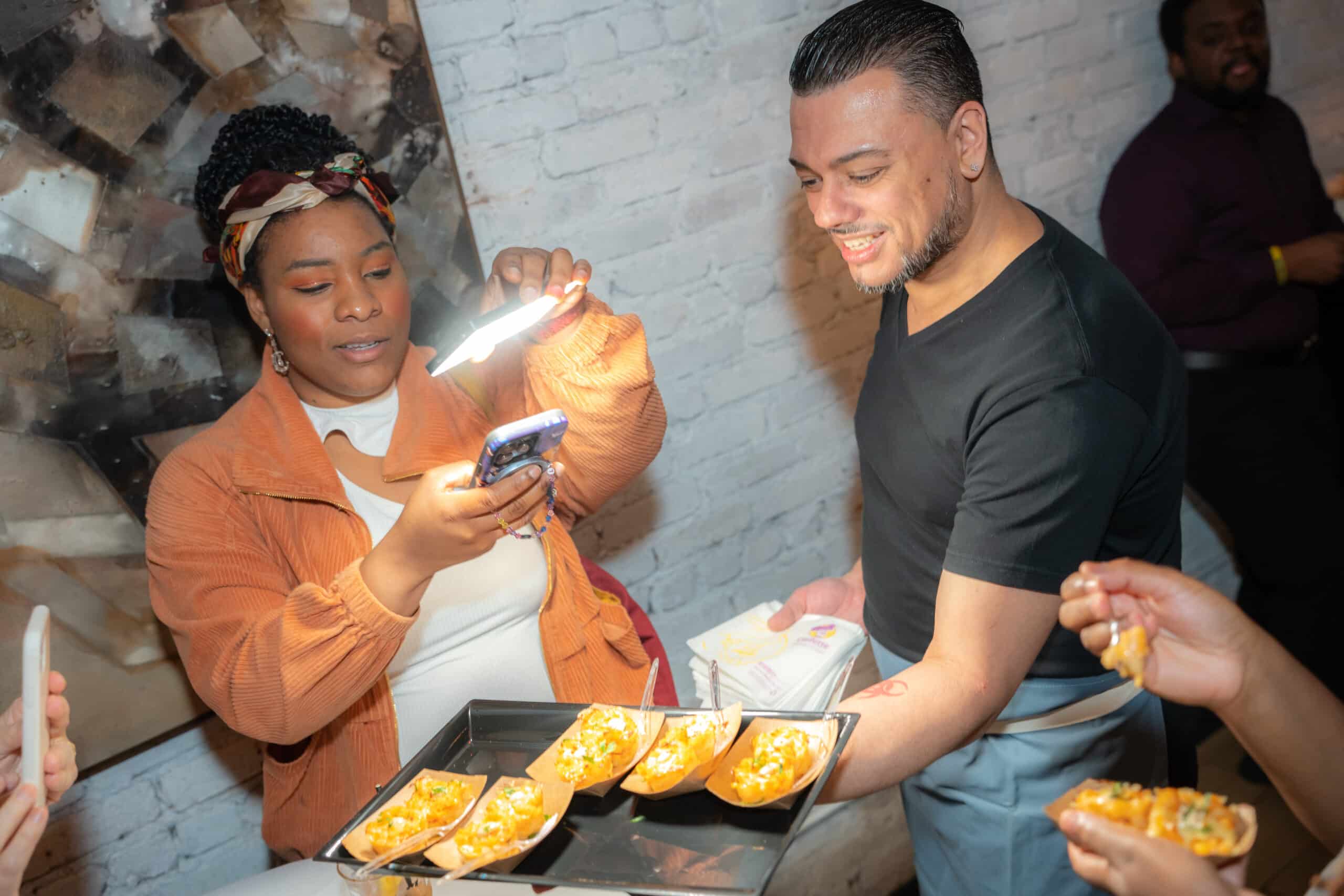
We’ve learned that the best user-generated content comes from authentic moments rather than forced photo ops. When we design mobile marketing tours or food truck activations, we think about content generation as integrated throughout the experience, not concentrated at one selfie station.
For example, when we deployed branded food trucks for product sampling campaigns, we realized the action of receiving and tasting samples created better content than posed photos with static branding. Brand ambassadors were trained to create engaging interactions that people wanted to capture, not just hand out products mechanically.
We also learned that giving people a reason to share beyond “look at this cool thing” increases participation. When activations include personalization that makes the experience uniquely theirs, or exclusive access they want to demonstrate to friends, sharing becomes about the story they’re telling, not just the brand they encountered.
The key insight: user-generated content works best when people forget they’re creating marketing material and simply document experiences they genuinely want to remember and share.
Making Sharing Easy and Rewarding
Even when experiences are worth sharing, friction can prevent content creation. Removing barriers and adding incentives increases participation.
WiFi access seems basic but matters enormously. People create and share content in the moment when connectivity is available. Without it, they rely on cellular data, which might be limited or slow in crowded areas, or plan to post later, which often means never. Providing strong, free WiFi removes a major friction point.
Clear hashtags and handles make tagging effortless. Display your social handles and campaign hashtags prominently throughout the activation. Include them on printed materials, signage, and verbal mentions by brand ambassadors. Make the ask explicit: “Share your experience with #BrandHashtag.” Don’t assume people will figure it out independently.
Incentives boost participation when designed thoughtfully. Contest entries through social posts, exclusive access granted for tagging, or featured reposts that give participants recognition all motivate sharing. The incentives should feel like value-adds rather than desperate bribes. A chance to win something desirable works better than a guaranteed cheap trinket.
Real-time displays of user-generated content create social proof and momentum. When participants see others sharing, they’re more likely to share themselves. Digital displays showing recent posts with the campaign hashtag demonstrate that sharing is the norm, not the exception. This also gives participants immediate gratification by seeing their content featured.

Authenticity Over Perfection
The content brands should want from activations is authentic documentation, not polished advertising. Surprisingly, many brands still try to control user-generated content too tightly, creating guidelines that strip away the very authenticity that makes UGC valuable.
Embrace imperfection in user-generated content. Blurry action shots, candid laughter, and unpolished moments often resonate more than perfect compositions. They signal genuine experience rather than staged marketing. Brand activation campaigns should encourage real reactions rather than trying to script perfect posts.
Trust your audience with your brand. Some brands fear user-generated content because they can’t control the message. But attempting to micromanage what people post often backfires, either reducing participation or creating obviously scripted content that loses authenticity. If your activation delivers good experiences, the content will be positive. If it doesn’t, controlling the content won’t fix the underlying problem.
Respond and engage with user-generated content. When people share content from your activation, engage with it. Like posts, leave authentic comments, share content to your brand channels with permission, and create dialogue. This rewards participants for sharing and encourages others to create content hoping for similar brand engagement.
Measuring User-Generated Content Impact
Understanding the value of user-generated content from experiential marketing requires tracking beyond simple post counts.
Reach and impressions matter but don’t tell the complete story. Track how many people potentially saw content created from your activation by monitoring follower counts of people who posted, engagement rates on those posts that extend reach further, and appearance of your content in hashtag feeds and discovery algorithms.
Sentiment analysis reveals whether content is positive, neutral, or negative. Not all mentions are good mentions. Monitor the tone and context of user-generated content to ensure your activation generates the enthusiasm you intend.
Conversion tracking connects content to business outcomes. Use unique discount codes mentioned in user-generated content, track traffic from social platforms to your website following activation dates, and monitor branded search volume increases correlated with UGC campaigns.
Content reuse value adds to ROI calculations. User-generated content from activations often becomes valuable marketing assets. With proper permissions, brands can repurpose authentic UGC across paid advertising, website galleries, sales materials, and future campaign inspiration. This content has production cost of zero and authenticity value that professional photography cannot match.
Turn Attendees Into Content Creators
In 2026’s marketing landscape, user-generated content from brand activations often delivers more value than the direct participant engagement. Designing with content generation as a primary goal ensures activations create lasting impact that extends far beyond the physical event.
At Sweeter, we design every activation with shareability in mind. Our team understands what makes content worth creating and sharing because we’ve analyzed thousands of social posts from our food truck marketing campaigns and mobile marketing tours. We know how lighting affects photo quality, how authentic moments outperform forced photo ops, and how to create experiences people genuinely want to document and share with their networks.
When you work with an experiential marketing company that treats user-generated content as a primary objective rather than a happy accident, you multiply your activation’s reach and impact exponentially. Every post, story, and share becomes authentic marketing that reaches trusted networks with implicit endorsement. Ready to design activations that generate content people actually want to share? Let’s talk about how Sweeter can help your brand create experiences that turn attendees into advocates and content creators.