
The traditional experiential marketing timeline is dead. Brands that need six months to plan and execute a mobile marketing tour are losing opportunities to competitors who can deploy branded food trucks and experiential marketing vehicles in days, not weeks. In 2026’s fast-moving market landscape, agility has become a competitive advantage as valuable as creative excellence or operational expertise.
Speed to market in experiential marketing doesn’t mean cutting corners or sacrificing quality. It means building systems, relationships, and capabilities that enable rapid deployment when opportunities arise. Whether capitalizing on cultural moments, responding to competitive moves, or testing new markets quickly, brands working with an agile experiential marketing company can move at the speed of culture while maintaining the quality standards that drive results.

Why Speed Matters More Than Ever
The case for agile activation strategies has never been stronger. Multiple market forces are converging to reward speed and punish slow-moving brands.
Cultural moments are fleeting. Trending topics, viral moments, and cultural conversations move at social media speed. A brand that can deploy a street team marketing activation within 72 hours of a trending moment captures attention and relevance that competitors planning three-month campaigns will never achieve. By the time traditional timelines produce an activation, the cultural moment has passed and consumer attention has moved on.
Competitive response windows are shrinking. When a competitor launches an innovative brand activation, the window to respond is measured in days, not quarters. Brands with agile capabilities can quickly counter competitive moves or amplify their own advantages. Those locked into rigid planning cycles watch opportunities slip away while waiting for next quarter’s campaign slot.
Testing requires iteration speed. Market testing used to mean extensive research before committing to full campaigns. Now, smart brands test through rapid deployment of small-scale activations, gather real-world data, iterate based on results, and scale what works. This test-and-learn approach requires activation timelines measured in weeks, not months. Economic uncertainty demands flexibility as well. Budget cycles and market conditions change rapidly. Brands that can quickly redirect experiential marketing budgets toward emerging opportunities or away from underperforming markets adapt better than those committed to inflexible annual plans.
The Traditional Timeline Problem
Understanding why traditional experiential marketing moves slowly helps identify what needs to change. A conventional brand activation campaign often follows a predictable pattern: weeks of internal briefing and budget approval, followed by concept development and creative presentations with multiple revision rounds. Then comes detailed planning, vendor sourcing, and permit applications. Fabrication, vehicle customization, and material production eat up more weeks. Staff recruitment, training, and logistics coordination add additional time. Finally, setup, execution, teardown, and reporting complete the cycle.
This 24-week process (nearly six months) was standard when experiential marketing primarily meant trade shows and large-scale festivals. For modern mobile marketing tours and pop-up activations competing in a real-time marketing environment, it’s impossibly slow. Several factors create unnecessary friction: sequential rather than parallel workflows that wait for one phase to complete before starting the next, approval bottlenecks with multiple stakeholder reviews at each stage, custom fabrication starting from scratch for every activation, relationship friction from sourcing new vendors for each campaign element, permit ignorance that requires learning regulatory requirements city by city, and staff recruiting cycles that hire brand ambassadors for each specific event rather than maintaining trained teams.
None of these factors are insurmountable. They simply require different thinking about how to structure experiential marketing operations.

Building Agile Activation Capabilities
Speed to market requires systematic capability building across multiple dimensions. An experiential marketing agency focused on agility invests in infrastructure that enables rapid deployment without sacrificing quality.
Modular design systems are foundational. Instead of custom-designing every activation from scratch, agile operations use modular design frameworks that can be quickly configured for specific campaigns. Core vehicle designs can be wrapped and branded quickly. Interchangeable interior modules adapt for different activation types. Standard electrical, plumbing, and equipment configurations eliminate repeated engineering. A library of proven layout patterns addresses different experience goals. Reusable structural elements can be reconfigured for new contexts. Standard sizing allows quick replacement or modification. Design templates can be customized with brand elements efficiently. An inventory of frequently used materials and finishes sits ready for deployment.
This modular approach doesn’t mean cookie-cutter activations. It means starting from proven foundations rather than blank pages, dramatically reducing design and fabrication timelines.
Pre-established vendor networks transform procurement from a weeks-long process into a series of phone calls. Fabrication partners with capacity reserved for rush projects, established quality standards, and familiarity with your brand can start work based on verbal approvals with paperwork following. Permitting expertise includes maintained knowledge of regulations across major markets, existing relationships with authorities, template applications ready for customization, and understanding of expedited review processes. Logistics providers familiar with your vehicle fleet, warehousing facilities in key markets, and route planning expertise eliminate learning curves. Staffing resources with trained brand ambassador pools in major markets, vetted security providers, and management teams familiar with your brand and expectations can activate quickly.
How Sweeter Maintains Speed Without Sacrificing Quality
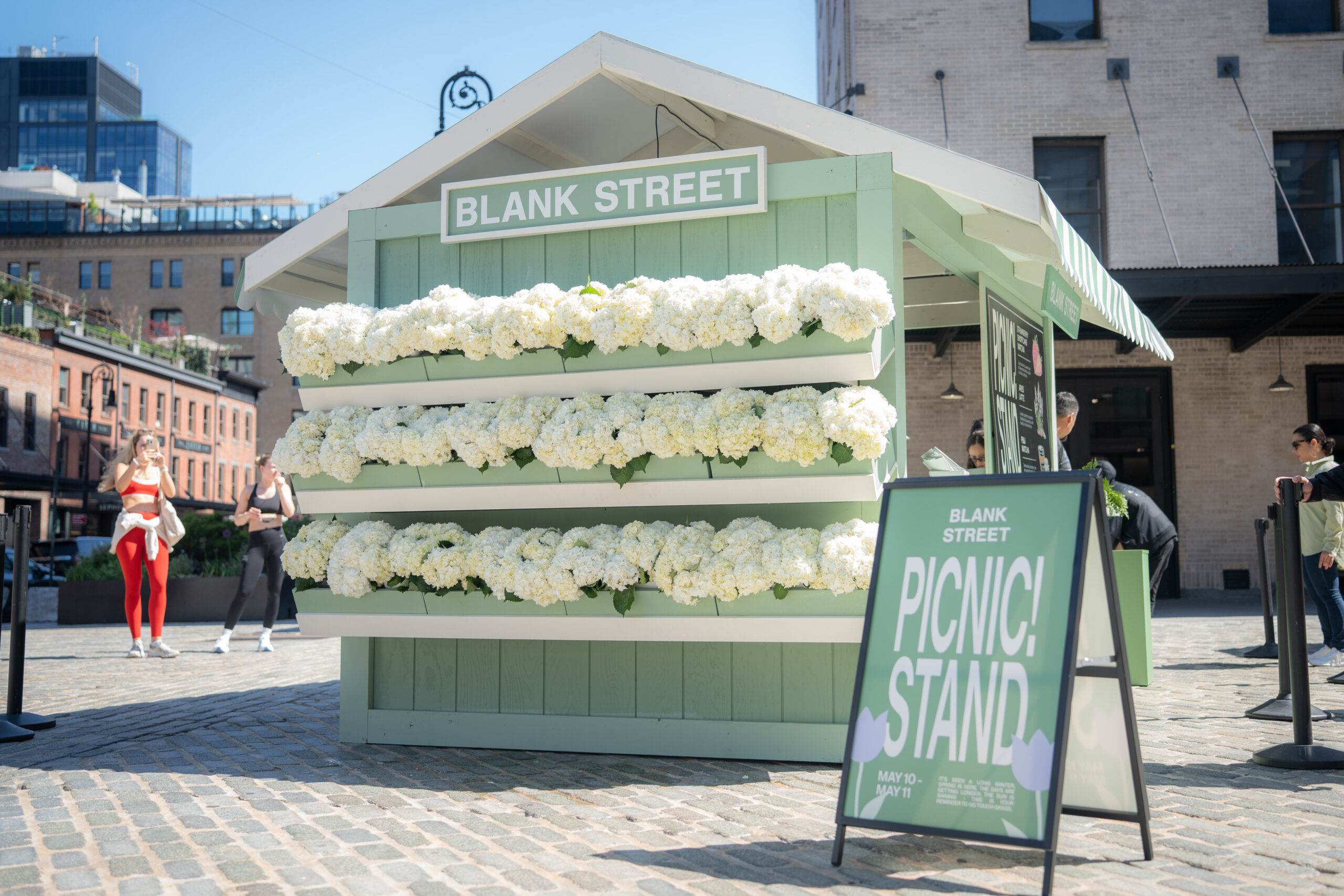
Our approach centers on maintaining ready infrastructure. We keep a fleet of experiential marketing vehicles that can be quickly wrapped and deployed. Our graphics team has design systems that allow rapid customization while ensuring brand consistency. We maintain relationships with permitting authorities in major markets, so we understand what’s possible and what timelines to expect. Our brand ambassador network includes trained teams in key cities who can be activated on short notice.
The key is distinguishing between elements that require custom development and those that benefit from standardized approaches. Creative concepts and brand messaging deserve custom attention. Vehicle mechanics, permit applications, and logistics coordination benefit from proven systems and processes. We focus creative energy where it matters most while leveraging operational efficiency everywhere else.
This approach has allowed us to execute complex food truck marketing campaigns, multi-city tours, and pop-up activations on timelines that would be impossible with traditional approaches. Speed becomes a competitive advantage for our clients, allowing them to respond to market opportunities that slower competitors miss entirely.
Rapid Deployment Protocols
With infrastructure in place, agile activation requires clear protocols that enable fast decision-making and execution. Not every decision requires executive sign-off. Agile organizations establish clear authority levels that distinguish between standard activations that can deploy in 48 to 72 hours, rapid custom activations requiring one to two weeks for novel concepts or new markets, and strategic initiatives taking three to four weeks for major campaigns with significant investment or legal complexity.
This tiered structure prevents unnecessary delays when speed matters while maintaining appropriate oversight for higher-stakes decisions. Agile teams also work on multiple project phases simultaneously rather than sequentially. They begin permit applications while finalizing design concepts, order long-lead materials based on design direction before final approval, recruit brand ambassadors while vehicle customization is underway, and plan logistics while fabrication happens. This parallel approach requires confidence in direction and willingness to absorb occasional waste when plans change, but the timeline compression usually justifies the tradeoff.
Clear decision-making frameworks help teams make calls quickly. Establishing what must be true for deployment to proceed, what risks are acceptable versus deal-breakers, when to proceed with uncertainty versus when to pause for more information, and who can approve spending at different levels without escalation all enable rapid movement without chaos.
The Cost-Benefit Analysis of Speed
Moving quickly sometimes costs more than leisurely timelines. Rush fabrication, expedited permits, premium shipping, and overflow staffing all carry price premiums. The question isn’t whether speed costs more but whether the benefits justify the investment.
Cultural relevance has quantifiable value. An activation that captures a trending moment generates social media engagement and earned media that paid advertising cannot replicate. Competitive advantage matters in crowded markets. Being first or fastest with an innovative activation format creates differentiation that followers cannot match. Testing velocity accelerates learning. Three rapid test activations in different markets generate more useful data than one large activation planned over months. Market opportunity capture means revenue from activations that happen versus lost sales from missed opportunities.
Smart brands analyze these tradeoffs explicitly rather than defaulting to slow timelines out of habit. Sometimes the premium for speed delivers returns that dwarf the incremental cost. Other times, patience serves better than urgency. The key is having both capabilities available and choosing strategically based on specific circumstances.
Ready to Move Faster?
Speed to market in experiential marketing will only become more valuable as cultural cycles accelerate and competitive intensity increases. Brands that build agile activation capabilities now will capture opportunities that slower competitors never see.
At Sweeter, agility isn’t just a buzzword. It’s built into our operations. We maintain a fleet of experiential marketing vehicles ready for rapid deployment, design systems that enable quick customization without sacrificing quality, relationships with permitting authorities in major markets that eliminate guesswork, and trained brand ambassador networks in key cities that can activate on short notice. When M&M’s needed a National Ice Cream Sandwich Day activation with just days of lead time, we said yes because our infrastructure supports rapid execution. When your brand needs to move fast, whether responding to a cultural moment, testing a new market, or countering competitive moves, you need a partner built for speed. Sweeter delivers agile activation capabilities that turn opportunities into reality before the moment passes. Ready to move at the speed of culture? Let’s discuss how we can help your brand activate faster without compromising quality.