
The most beautifully designed experiential marketing vehicle, perfectly located activation site, and thoughtfully curated brand experience all mean nothing if the brand ambassadors representing your company deliver poor interactions. In 2026, staff quality has become the primary differentiator between brand activations that drive genuine engagement and those that waste budget on superficial encounters.
Consumers don’t remember your truck wrap or signage nearly as vividly as they remember the person who served them, answered their questions, or guided them through the experience. That human interaction forms the emotional core of experiential marketing. When brand ambassadors are knowledgeable, enthusiastic, and genuinely helpful, they create positive associations that transfer to your brand. When they’re disengaged, uninformed, or dismissive, they undermine even the best-designed activations.
Understanding this reality, leading experiential marketing companies invest heavily in staff training and quality control. They recognize that brand ambassadors aren’t just executing tasks. They’re embodying the brand in human form, creating impressions that influence long-term consumer perception far more than any advertising message could.
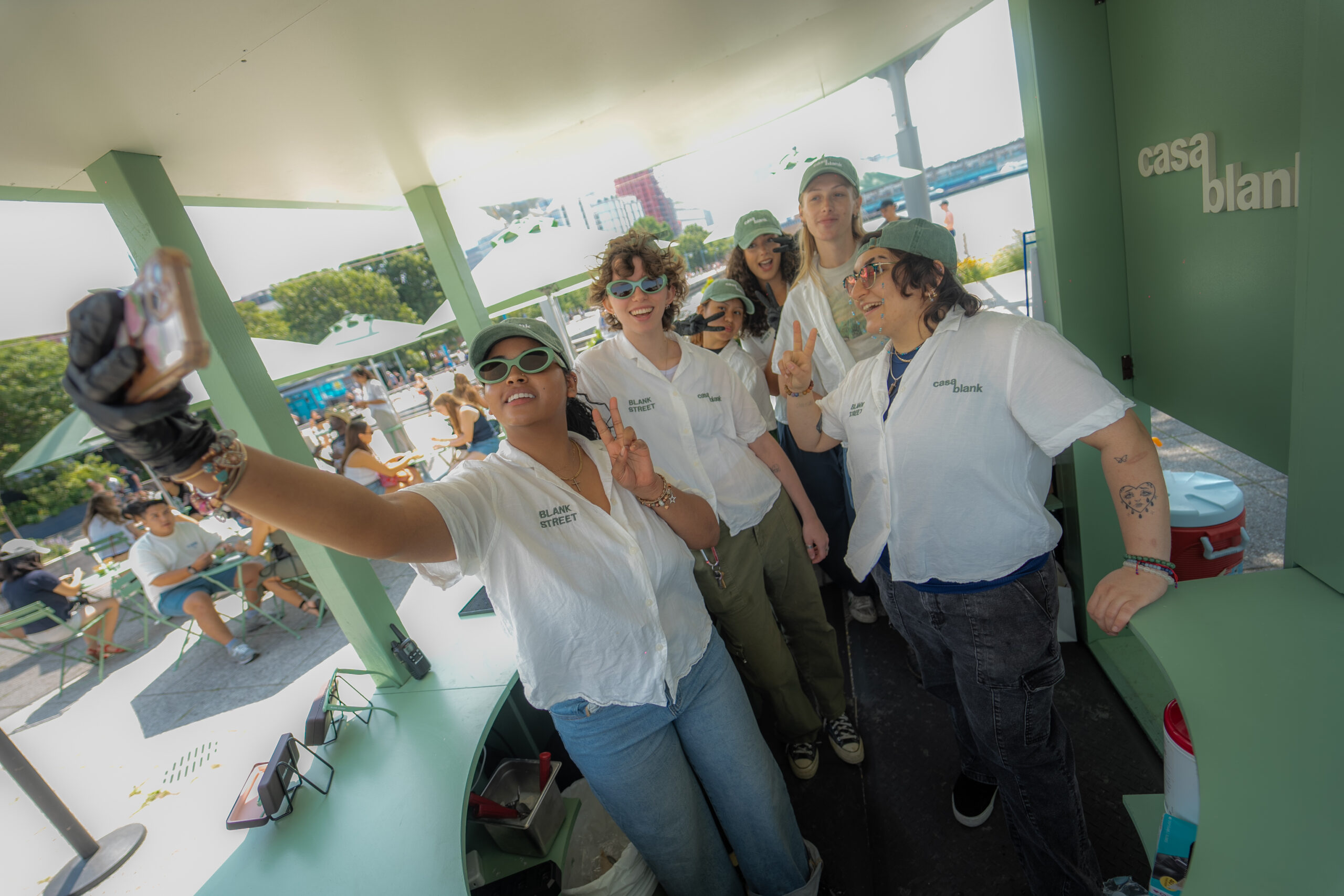
What Brand Ambassadors Actually Do
The role of brand ambassadors in food truck marketing, mobile marketing tours, and experiential marketing campaigns extends far beyond simple product distribution or crowd control. They serve multiple critical functions that determine activation success.
Brand ambassadors are frontline educators. They explain product benefits, demonstrate proper usage, answer questions about ingredients, features, or availability, and help consumers understand why your offering matters to their lives. This education function requires deep product knowledge and communication skills that can adapt to different consumer knowledge levels and learning styles.
They’re experience facilitators who guide participants through activations, ensure everyone feels welcome and included, troubleshoot when things go wrong, and manage flow to prevent bottlenecks and long waits. They create the emotional tone of the activation through their energy, enthusiasm, and interpersonal warmth.
Brand ambassadors serve as data collectors, gathering consumer feedback, observing reactions and preferences, identifying common questions or concerns, and reporting insights that inform future campaigns. They function as relationship builders, creating personal connections with consumers, starting conversations that extend beyond transactional exchanges, and making people feel valued as individuals rather than anonymous participants.
They also act as problem solvers, adapting standard procedures when needed, handling complaints gracefully, and making judgment calls that protect both consumer experience and brand reputation. The breadth of these responsibilities explains why high-quality brand ambassador services require substantial training investment rather than simply hiring warm bodies to staff positions.
The Cost of Poor Staff Quality
Inadequately trained or poorly selected brand ambassadors create multiple failure modes, each damaging brand perception and activation ROI.
Disengaged staff communicate negative brand associations. When brand ambassadors seem bored, distracted, or frustrated, consumers unconsciously associate those feelings with your brand. Even if they consciously understand the staff doesn’t represent your company culture, the emotional association forms anyway. An enthusiastic participant encountering a checked-out brand ambassador leaves disappointed, transforming a potential brand advocate into a neutral or negative impression.
Uninformed staff undermine brand credibility. Nothing damages trust faster than asking a product question and receiving an “I don’t know” or worse, incorrect information. Consumers expect brand representatives to be experts. When they’re not, it signals that your brand doesn’t care enough to invest in proper training, suggesting the product itself might not be worth taking seriously.
Rude or dismissive interactions create active brand detractors. A single negative interaction can generate lasting damage. Someone who feels disrespected or dismissed by a brand ambassador doesn’t just avoid your products. They tell friends, family, and social media followers about their negative experience. In experiential marketing, one toxic interaction can undo thousands of dollars of positive brand building.
Inconsistent experiences confuse brand identity. When different brand ambassadors at the same activation provide wildly different levels of service, enthusiasm, or information quality, consumers don’t know what your brand actually stands for. Consistency matters as much as quality. Even if some interactions are excellent, high variation creates unreliable brand perception.

How Sweeter Approaches Brand Ambassador Training
We’ve learned through years of deploying brand activations that staff quality directly correlates with campaign success. Our approach to brand ambassador training has evolved into a comprehensive system that ensures consistency across markets and campaigns.
We start by selecting for the right characteristics. Not everyone makes a good brand ambassador regardless of training. We look for natural enthusiasm that seems genuine rather than forced, curiosity about products and brands they’ll represent, communication skills that adapt to different personalities and situations, and problem-solving orientation rather than rigid procedure-following. We also prioritize reliability, knowing someone who shows up consistently matters more than someone occasionally brilliant but frequently absent.
Our training program includes comprehensive product education covering not just features but benefits, use cases, and competitive differentiation. We teach brand story and values so ambassadors understand what the brand stands for beyond just what it sells. They learn activation-specific logistics covering everything from setup procedures to emergency protocols. We practice interpersonal skills through role-playing different customer scenarios and challenge responses. We emphasize cultural sensitivity and inclusive engagement to ensure all consumers feel welcomed.
We also conduct ongoing coaching and feedback. Training isn’t one-and-done. We observe brand ambassadors during activations, provide real-time coaching, and debrief after events to discuss what worked and what needs improvement. The best brand ambassadors continuously develop their skills through experience and feedback.
Training Topics That Actually Matter
Effective brand ambassador training covers both hard skills, what to do, and soft skills, how to engage. Many programs overemphasize procedures while neglecting the interpersonal dimensions that actually drive consumer experience quality.
Product knowledge forms the foundation. Brand ambassadors need to understand ingredients or materials, key features and benefits, proper usage or preparation, common questions and their answers, and how the product compares to alternatives. They should be able to explain why someone should care about your product in terms meaningful to that specific person. This requires understanding different consumer motivations and being able to adapt messaging accordingly.
Engagement skills determine interaction quality. Training should cover how to approach people without being aggressive, reading body language to know when someone wants deeper conversation versus quick interaction, asking open-ended questions that start dialogue, listening actively and responding to what people actually say, and making everyone feel welcomed regardless of age, background, or apparent interest level.
Problem-solving abilities handle inevitable challenges. Activations never go exactly as planned. Brand ambassadors need authority and judgment to handle common issues like resolving complaints without escalating to managers, adapting when supplies run low or equipment malfunctions, managing difficult or intoxicated individuals, and maintaining positive energy when conditions are challenging like heat, cold, or long hours.
Brand representation awareness keeps interactions on-message. Brand ambassadors need to understand they represent the brand in everything they do, even during breaks or setup and teardown. Their social media presence matters if they’re identified with the brand. They should grasp how to handle sensitive questions or criticism without becoming defensive, when to escalate issues versus handling independently, and how their personal behavior reflects on brand reputation.

Quality Control and Performance Management
Training only matters if followed by accountability. Effective brand activation companies implement quality control systems that ensure standards are maintained across all staff and all activations.
Mystery shopping provides objective assessment. Having evaluators pose as regular consumers and assess brand ambassador performance offers unbiased feedback on what interactions actually feel like from the consumer perspective. This reveals gaps between training and execution that internal observations might miss.
Consumer feedback collection creates accountability. Asking participants to rate their experience, specifically mentioning staff interactions, provides direct quality metrics. Digital feedback systems make this easy to collect and analyze in real time.
Manager observations during activations catch issues before they compound. Experienced managers circulating through activations can identify staff who need additional coaching, spot procedural problems, and ensure quality remains consistent throughout the event. They can also provide real-time feedback and make staffing adjustments when needed.
Performance incentives reward excellence. Compensation structures that include bonuses for high consumer ratings, recognition programs that highlight top performers, and advancement opportunities for ambassadors who consistently deliver quality interactions all motivate sustained effort rather than just showing up.
The ROI of Investment in Staff Quality
High-quality brand ambassador services cost more than minimum-wage staff with minimal training. The question is whether the investment delivers returns that justify the additional cost. The evidence strongly suggests it does.
Better consumer experiences drive word-of-mouth. People tell friends about exceptional interactions with brand representatives. This organic promotion extends campaign reach without additional media spend. Positive social media posts often specifically mention helpful or engaging brand ambassadors, creating authentic endorsements.
Knowledgeable staff convert trial into purchase. When brand ambassadors can answer questions, address concerns, and help consumers understand product benefits, sampling converts to buying more frequently. The interaction transforms from simple exposure into education that drives purchase intent.
Consistent quality protects brand reputation. One terrible interaction can damage brand perception. Investing in staff quality prevents those disasters rather than spending resources on damage control after the fact. The cost of preventing problems is almost always less than fixing them.
Reduced turnover saves money over time. Well-trained brand ambassadors who feel valued and competent stick around. This retention reduces constant recruiting and training costs while building a core team with deep product knowledge and activation experience.

Your Team is Your Brand
In 2026’s experiential marketing landscape, brand activations succeed or fail based primarily on human interaction quality. The most sophisticated experiential marketing vehicles and creative concepts mean nothing if the brand ambassadors representing your company deliver poor experiences.
At Sweeter, we’ve built our reputation on staff quality as much as creative excellence. Our brand ambassador training program covers product knowledge, engagement skills, problem-solving abilities, and brand representation because we know these human interactions form the emotional core of every activation we deploy. We select for natural enthusiasm and communication skills, train comprehensively before first deployment, provide ongoing coaching and feedback, and implement quality control systems that ensure consistency across markets and campaigns.
When your brand shows up in a new city with our team, consumers meet representatives who are knowledgeable, enthusiastic, and genuinely helpful. That’s the difference between activations that create positive brand associations and those that waste budget on superficial encounters. Ready to work with an experiential marketing company that invests in the people representing your brand? Let’s discuss how Sweeter’s trained brand ambassador services can elevate your activation quality and drive the consumer experiences that build lasting brand relationships.